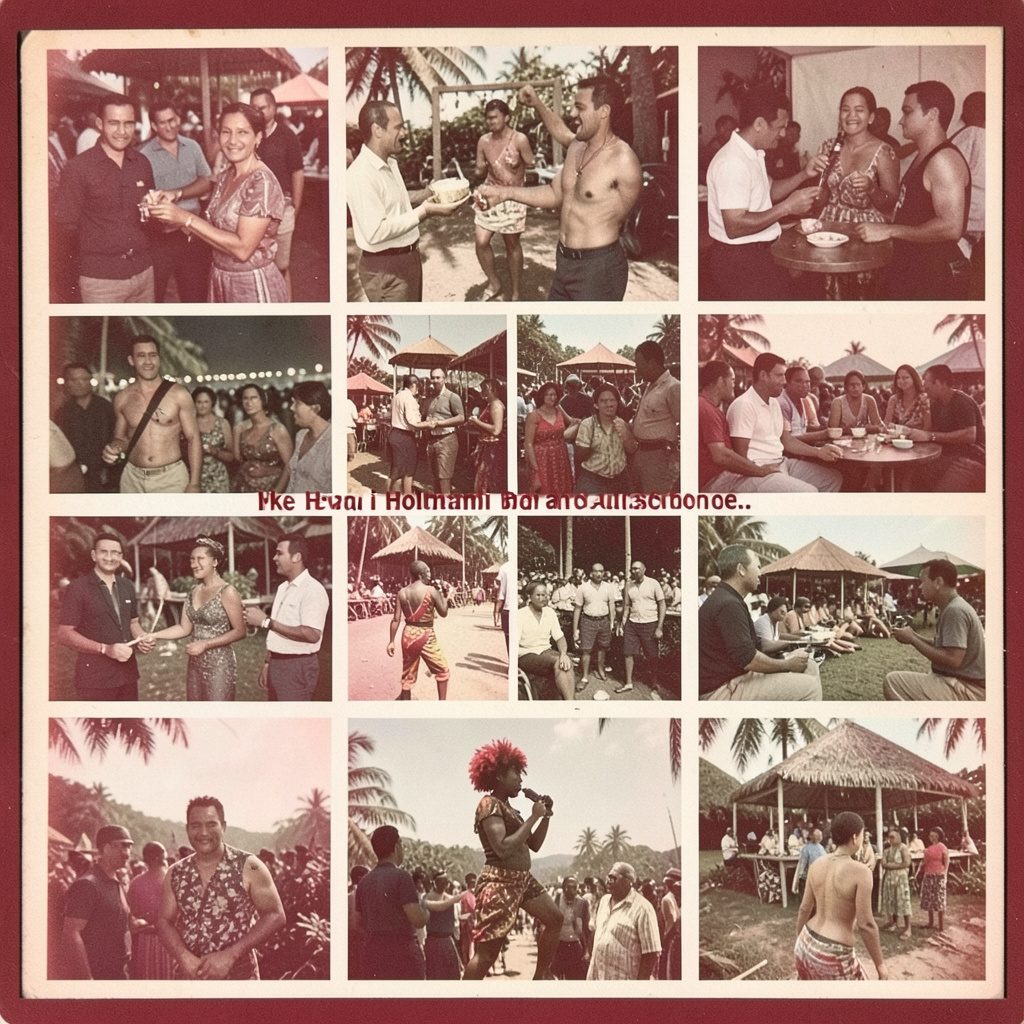
Photo Gallery
A highlight gallery of photos from past Heiva i Honolulu events, capturing the energy, color, and choreography of each festival.
Browse selected images from recent competitions to get a sense of the costumes, drumming, and group performances that define the Heiva tradition in Hawaii.
Featured Years
Full results, including overall awards and standout soloists, are available in the Results archive.
Gallery Preview
Photography by Mike Bambi and associates.
A photo gallery for a cultural festival serves as a visual archive, capturing moments that words alone cannot fully convey. From the sweep of a dance costume in motion to the focused expressions of drummers mid-beat, each frame preserves a slice of the event's atmosphere. Browsing such a collection offers visitors a sense of scale and spirit, inviting them to imagine the sounds, colors, and energy of past celebrations. Even for those who could not attend in person, the images create a bridge to the traditions being honored on stage and within the community gathered around it.
Festival photography tends to fall into a few familiar categories that together tell a fuller story of the gathering. Stage performances highlight the choreography and costume craftsmanship at the heart of the event, while candid shots of the audience and surrounding spaces convey the festival's communal warmth. Promotional materials and printed programs document the planning that shapes each year's theme, and quieter portraits capture participants and supporters between performances. Together, these visual threads weave a narrative that extends beyond a single afternoon, preserving both the spectacle and the everyday moments that give a cultural gathering its lasting character.
Looking through images from earlier editions of a long-running festival can reveal how traditions evolve while retaining their essential character. Costumes may be refreshed, choreography refined, and new participants join the stage, yet certain elements remain recognizable across the years: the circle of dancers, the rhythm of the to'ere, and the shared pride of the community. Reviewing earlier galleries also helps newcomers understand the festival's roots and appreciate the contributions of those who helped shape it. The archive becomes a record of continuity, honoring both the founders and the generations of performers who keep the practice vibrant.
A well-curated gallery page encourages visitors to linger a little longer, moving from thumbnail to thumbnail as if walking through a hall of memories. Photographers often capture details that organizers themselves may have missed, offering fresh perspectives on familiar performances and behind-the-scenes preparations. For future participants, these images can serve as inspiration, sparking ideas about costume design, group formation, or stage presence. For audiences returning year after year, the gallery is a place of reunion, where familiar faces and places reappear. In this way, the photo collection becomes an extension of the festival itself, continuing its story long after the final dance has ended.